Black Mold?
Don't Take Chances! Call the Top Black
Removal Company in Federal Way and get cleaned up FAST!


Why Choose Us?
- Certified Pros
- Available 24/7/365
- Rapid Response
- Fully Licensed And Insured
- We Work With Your Insurance Company
Call Now (253) 322-8366
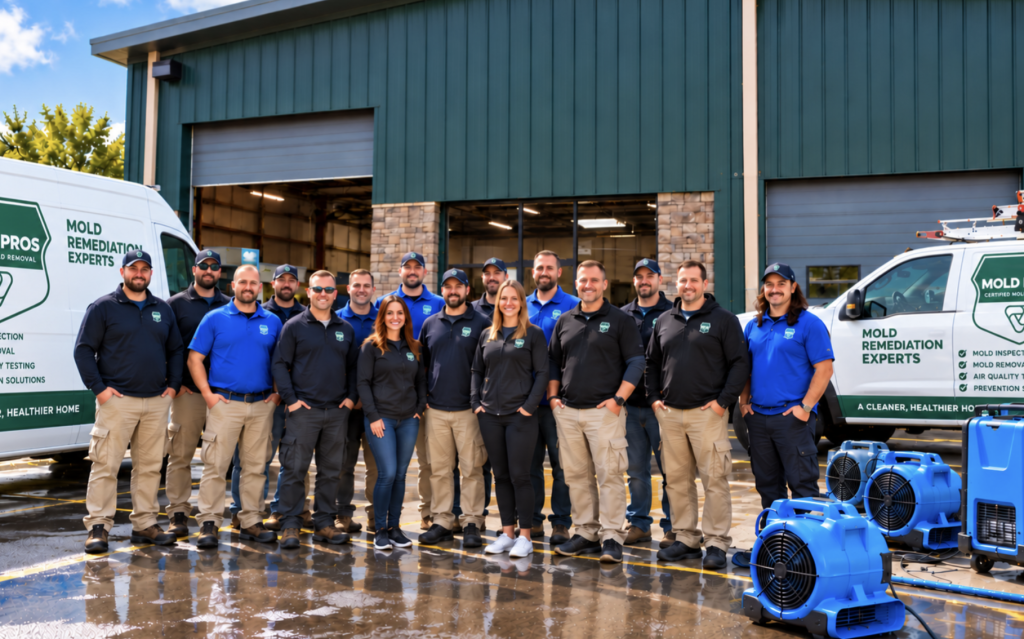
Professional Mold Removal in Federal Way, Washington
Seeing mold after a leak can leave you unsure what happens next. Our mold removal process starts by tracing the moisture source and defining the affected work area. We then separate materials that need cleaning from materials that need careful removal. The plan also protects unaffected parts of your home or business from dust and debris. Federal Way Mold Remediation Pros serves residential and commercial properties with a focused scope for mold cleanup and removal.
What Happens During Mold Removal?
We begin by reviewing where moisture entered, how long materials stayed wet, and what surfaces show damage. Common sources include plumbing leaks inside walls, roof leaks, appliance leaks, HVAC problems, and poor bathroom ventilation. A slow leak behind drywall often creates a different job from a surface spot on tile. We also look at nearby materials because mold and moisture can travel beyond the first visible area.
After the affected area is defined, we establish containment around the work zone. Containment means plastic walls or barriers that help keep mold dust from spreading. We use protective equipment and HEPA filtration during removal and cleaning. A HEPA air scrubber filters fine particles from the air while work is underway. Source control remains part of the plan, because cleaning materials without addressing active moisture leaves the building at risk for renewed damage.
The work area might include plastic barriers, sealed openings, equipment, and controlled access. Occupants should avoid entering that area unless our crew gives permission. Whether people stay in the building depends on the affected location, the amount of material involved, and the work methods required. We do not promise a set job length because access, hidden damage, and drying conditions change the scope.
What’s Included
Our mold remediation scope centers on controlling the work area, removing affected materials when needed, and cleaning suitable surfaces. The exact plan follows the material, moisture source, and extent of visible or hidden impact. We explain the work before removal begins so you know which areas are involved. Typical included work may involve the following:
- Containment, work-area protection, and controlled removal of affected porous materials.
- HEPA air filtration, dust control, and cleaning of appropriate hard surfaces.
- Moisture-source review and documentation of conditions that affect the remediation scope.
Drywall, carpet, insulation, and other porous materials absorb water and often hold mold below the visible surface. Removing a damaged section can be safer than treating only the face of the material. Concrete, tile, metal, and some finished surfaces do not absorb moisture in the same way. Those surfaces often receive detailed cleaning when their condition allows it, while cracks, joints, backing, or attached materials receive separate attention.
What’s Not Included
Mold removal does not automatically repair every building problem that caused the moisture. Plumbing repairs, roof repairs, exterior drainage work, appliance replacement, and HVAC repairs require the appropriate trade or contractor. Rebuilding removed drywall, insulation, flooring, cabinets, or finishes also requires a separate reconstruction scope unless written into the project agreement. We identify these boundaries before work starts so damaged materials are not mistaken for finished repairs.
- Major plumbing, roofing, electrical, HVAC, or exterior drainage repairs.
- Replacement of removed finishes, cabinets, flooring, drywall, insulation, or framing.
- Independent mold testing or laboratory analysis.
We do not perform mold testing, and color alone cannot identify a mold species. What people commonly call black mold is not a diagnosis based on appearance. Independent testing or assessment can help when the extent or type of a problem needs independent documentation. For more detail about testing decisions and early warning signs, read our mold warning signs guide.
Which Materials Need Cleaning or Removal?
Porous materials are the most difficult because they soak up water and provide spaces that cleaning tools cannot fully reach. Drywall with visible growth, wet insulation, and saturated carpet often need removal rather than surface treatment. Carpet padding usually holds moisture beneath the visible carpet and must be evaluated with the surrounding floor. Subflooring and framing require closer review because they may remain damp after the surface appears dry.
Attic materials can be affected by roof leaks, failed flashing, or a bathroom or dryer vent that ends in the attic. Crawl spaces have different concerns, including damp joists, wet subfloors, exposed soil, missing vapor barriers, and limited access. Federal Way has low basement relevance, so below-grade damage is not assumed without site evidence. Concrete and tile generally require a different cleaning plan than drywall, but cracks, grout, backing, and attached porous materials still matter.
We handle visible surface growth carefully because disturbance can spread particles into nearby areas. Painting over mold does not remove the affected material or correct the moisture source. Furniture, stored belongings, and equipment are evaluated by location and condition rather than treated as part of every project. That keeps the work focused on materials that affect the building and the people using it.
How Do Local Moisture Conditions Affect a Federal Way Project?
Federal Way sits in a semi-arid high-desert setting with wetter cold-season conditions and dry summers. Winter rain, occasional snow followed by warming, and isolated heavy storms can introduce water through roofs, walls, windows, or drainage paths. Flash flooding and drainage problems near the Truckee River and tributary corridors can saturate materials quickly. Those conditions make source control and fast separation of wet porous materials especially useful.
Exterior grading, clogged gutters, short downspouts, and irrigation aimed toward a foundation can direct water toward lower building areas. Crawl spaces deserve attention when exposed soil, poor drainage, or missing vapor barriers keep joists and subfloors damp. Indoor causes remain common as well, including condensate-line clogs, drip-pan problems, weak bathroom ventilation, and leaks from washing machines or water heaters. We use the observed moisture path rather than assuming that every project has the same cause.
How Are Residential and Commercial Projects Different?
Homes often require careful protection around bedrooms, kitchens, bathrooms, and stored belongings. Apartments and condos add nearby units, shared walls, and limited access to the source area. Office buildings, schools, churches, medical facilities, retail properties, and industrial properties usually involve larger work zones and more people moving nearby. The containment plan must account for how each building is occupied.
Commercial work may require coordination around staff, visitors, tenants, equipment, and operating hours. Residential work often focuses more closely on family routines and keeping unaffected rooms usable. In either setting, we separate the affected area, control debris, and explain access limits before removal. If a shared wall, ceiling, mechanical space, or crawl space is involved, the visible spot may not represent the full work area.
What Affects the Scope and Price?
Actual mold remediation costs vary based on affected materials, work-area size, containment needs, access, and the moisture source. An inspection is needed before a final scope and price can be provided. A small accessible area with limited surface impact requires different labor from hidden growth behind drywall or beneath flooring. Flooding, sewage contamination, tight crawl-space access, and multiple affected rooms also change the work requirements.
The material itself is another major factor. Removing and disposing of wet insulation is different from cleaning tile or concrete. Framing and subflooring may need additional drying or cleaning after surrounding materials are removed. We avoid treating a visible patch as the whole project until the moisture path and nearby materials have been reviewed.
Credentials and Project Communication
Federal Way Mold Remediation Pros is IICRC certified, and we are in good standing with the BBB. These credentials do not replace a site-specific scope or explain every condition inside a building. The affected materials, moisture source, and access conditions still guide the work plan. We keep the conversation focused on what is visible, what needs removal, and what requires another trade.
If you see active water, shut off the source or the nearby supply if it is safe to do so. Then call (253) 322-8366 to discuss the affected area and what you have observed. We can explain what information helps us understand the scope before a site assessment. Please keep people and pets away from visibly damaged materials until the work area is reviewed.
Frequently Asked Questions
Does visible black mold require a different removal process?
Color does not identify a mold species or determine the correct cleanup method. What people commonly call black mold can look different from one surface to another. We focus on moisture, material condition, affected area, and safe containment. Testing is not performed by our company, so independent testing is a separate option when documentation is needed.
Can mold be removed from drywall without taking it out?
Drywall that has absorbed water or has growth below its paper surface often requires removal. Surface cleaning alone does not address every affected layer. Small surface conditions on sound, dry materials receive a different evaluation. The final decision follows the material condition and the moisture history.
Can I stay in my home during remediation?
Occupancy depends on the work area, containment plan, affected materials, and equipment required. People should stay out of the contained area during active removal. A limited project in an isolated room differs from widespread damage across living areas or shared mechanical spaces. We explain access limits before work begins.
What should I do after a leak in Federal Way?
Stop the water if it is safe, move unaffected belongings away from the wet area, and avoid disturbing damaged materials. Do not paint over visible growth or close wet materials behind new finishes. Check nearby drywall, flooring, cabinets, and baseboards for spreading moisture. Keep notes and photographs for your records while the area remains undisturbed.